
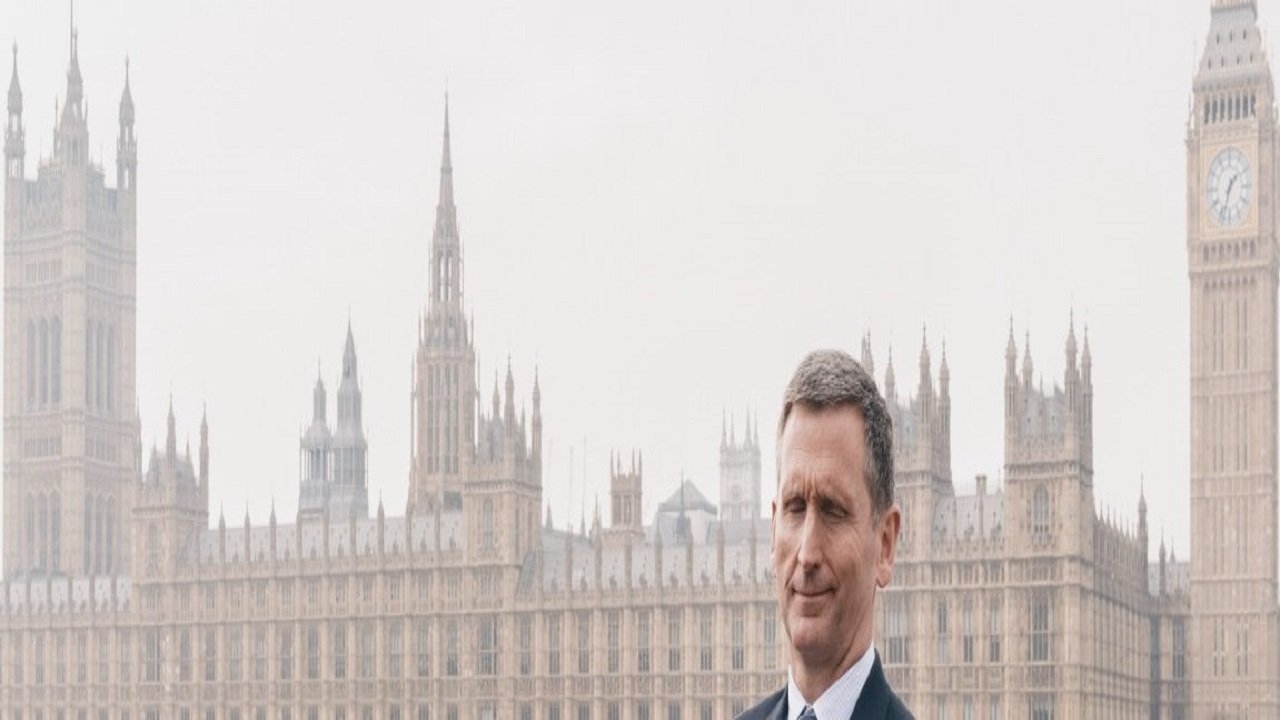
Lord (Chris) Holmes
Clarity rather than conflict in AI & copyright dilemma
UK House of Lords Select Committee inquiry into AI and copyright has been published today. It argues that the Govt should focus on strengthening licensing, transparency and enforcement within the existing legal framework.
Lord Holmes describes the details of what happened:
I have been posting here about evidence sessions for our inquiry since Dec 2025. We have heard from several expert witnesses and our conclusions echo what I have shared here previously:
-Licensing for AI training is viable and essential
Evidence sessions underscored that UK copyright law is not uncertain and that licensing AI training data is both possible and positively impactful. The current landscape is early and many rights‑holders are not yet benefiting, transparent data use and workable licensing routes already exist. We also recommend the development of technical standards for control, provenance and labelling.
-Strong stance against opt‑out and TDM (text and data mining) exceptions
I agree that opt‑out should not be an option, and welcomed the Government’s shift away from it. Sessions also highlighted concerns that any revival of a TDM exception or “creative content exchange” could undermine creator rights. We recommend the Government prioritize sovereign AI models.
-UK opportunity for global leadership
Witnesses noted that a clear regulatory framework could help creators and position the UK as a leader internationally. The UK has an opportunity to shape global AI–copyright norms, grounded in principles such as transparency, respect for inputs, and adherence to longstanding international agreements like the Bern Convention.
In January, Department for Science, Innovation and Technology Secretary Liz Kendall & Department for Culture, Media and Sport Secretary Lisa Nandy stressed that this was a "genuine reset moment" saying a decision had not yet been made.
As a result of our amendment to the Data Use and Access Bill (now Act) the Govt. must publish an update by March 18th, though, neither clarity nor conclusion is expected at that stage.
The current conflict is understandable but if we have learned no other lessons from the Online Safety Act then surely we must grasp that firm leadership and principles based regulation is essential. We must not risk repeating the glacial pace and ineffective outcomes of the OSA. The consultation for the white paper on online harms was published in April 2019. Seven years on and we are still considering how to legislate for desired outcomes (we will be debating OSA amendments to the Crime and Policing Bill and the Schools and Wellbeing Bill next week).

By embedding transparency, compensated access, researcher freedoms, and regulatory predictability we can deliver the much needed clarity in a way that is compatible with the UK’s creative strengths and tech innovation ecosystem.
“What would you like to see on March 18th, and what do you expect?” asked Lord Holmes!
Details: committees.parliament.uk
"All rights belong to Lord (Chris) Holmes"