How does cancer actually develop?
Report by Martin Spranck, Managing Director of the German Children's Cancer Foundation and the German Children's Cancer Association, on LinkedIn!
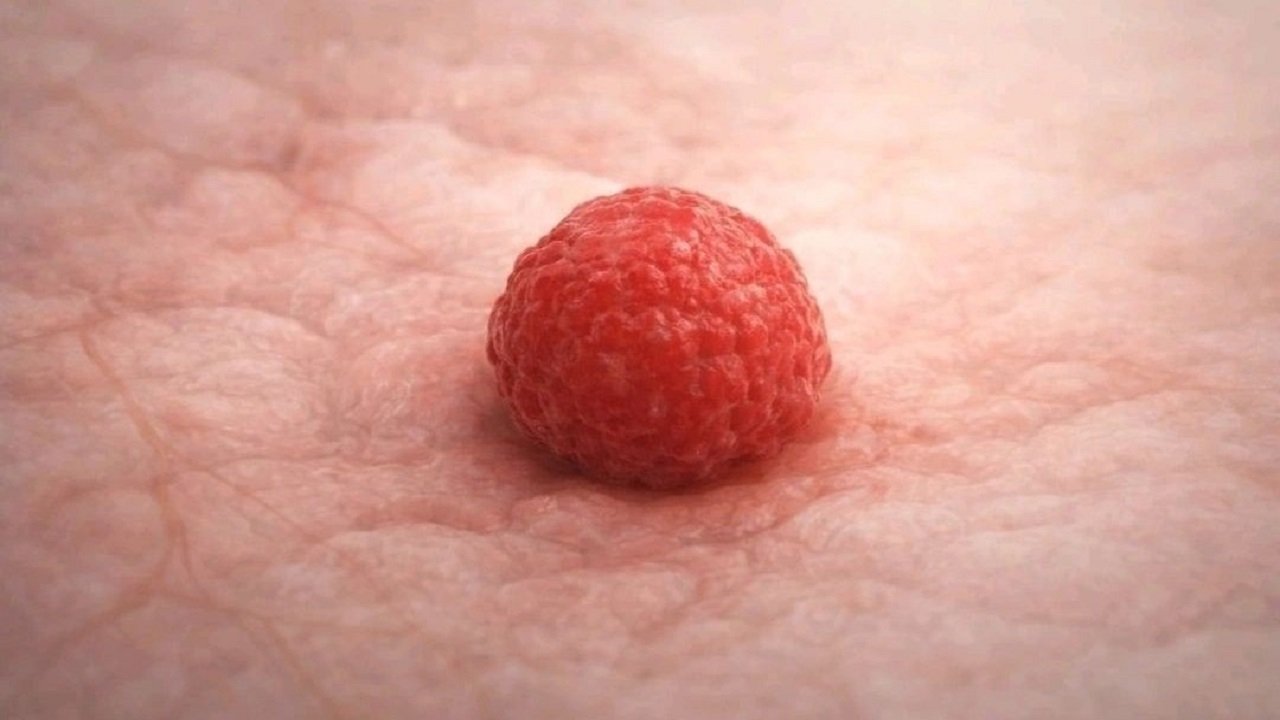
How does cancer actually develop, starting from just a single cell?

Many people imagine cancer as something that suddenly "appears."
However, the reality is much more subtle and complex.
Cancer often begins with a single cell and a small mistake.
Or more precisely: with several.
Our cells follow clear rules: They divide when necessary, they repair themselves when something is damaged.
And they stop when something stops working.
This system is highly precise.
Cancer develops when this control mechanism is gradually lost.
What exactly happens?
The accelerator pedal gets stuck.
(Proto-oncogenes)
Certain signals cause cells to divide. If these signals are permanently active, the cell continues to grow even though it shouldn't.
The brakes fail (tumor suppressor genes).
Other mechanisms stop growth and repair damage. If they stop working, control is lost.
The cell no longer dies.
Normally, defective cells self-destruct. Cancer cells circumvent this protective mechanism.
These changes don't happen all at once. They build up over years, and eventually the system collapses.
One cell becomes two, two become many, and many become a tumor.
Over time, something crucial happens:
These cells begin to sustain themselves. They ensure that new blood vessels form so they can continue to grow.
Cancer is therefore not a single mistake.
It is more of a process, a slow loss of control.
Or to put it another way: Cancer develops when cells cease to be part of a team as team players and begin to live only for themselves.
I'm interested in your perspective:
What scientific insights would you like to add here? Because I'm neither a doctor nor a biologist.
Martin Spranck on LinkedIn: martin-spranck
Photo: ©Martin Spranck
“All rights belong to Martin Spranck” (for this news)