Prof. Dr. Jan-Henning Klusmann
New drug delays the onset of type 1 diabetes
A monoclonal antibody is considered a new hope in the fight against type 1 diabetes. Antibody therapy is intended to prevent children and adolescents with early-stage type 1 diabetes from having to rely on insulin for years.
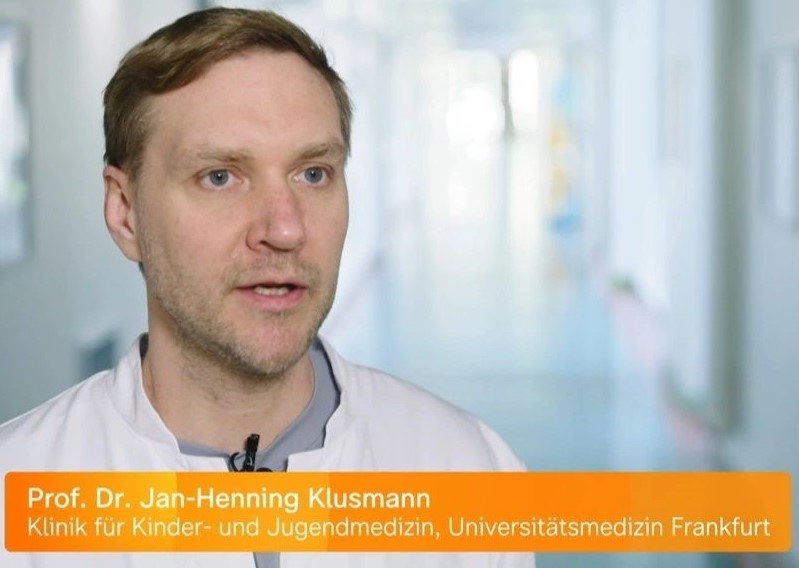
Prof. Dr. Jan-Henning Klusmann:
A monoclonal antibody offers new hope in the fight against type 1 diabetes. How the drug teplizumab can delay the onset of the disease.
Antibody therapy aims to prevent children and adolescents with early-stage type 1 diabetes from having to rely on insulin for years. How treatment with teplizumab works.


We are very pleased that our clinic is part of this development.
The focus is on the monoclonal antibody teplizumab, which for the first time offers the possibility of significantly delaying the clinical onset of type 1 diabetes in high-risk patients. This represents a paradigm shift – away from pure therapy and towards early intervention and prevention.
This approach is particularly important in pediatrics: fewer acute complications, more time for families and new perspectives for personalized prevention strategies.
Special thanks go to Dr. Allendorf and her diabetes team, as well as Dr. PD Dr. med. Michael Merker and our intensive care team, who clinically carry out and implement this therapy in our hospital.
Such developments impressively demonstrate how translational research finds its way into clinical application – and how important interdisciplinary collaboration is to make innovations usable for our young patients.
"All rights belong to Prof. Dr. Jan-Henning Klusmann" (for this news)