Containing invasive toad species is closer than ever
The Toad Containment Zone (TCZ) is a large-scale initiative aimed at preventing the mass invasion of cane toads into the Pilbara region of Western Australia.
Media release from Curtin Molecular and Life Sciences (MLS):
Containing invasive toad species is closer than ever
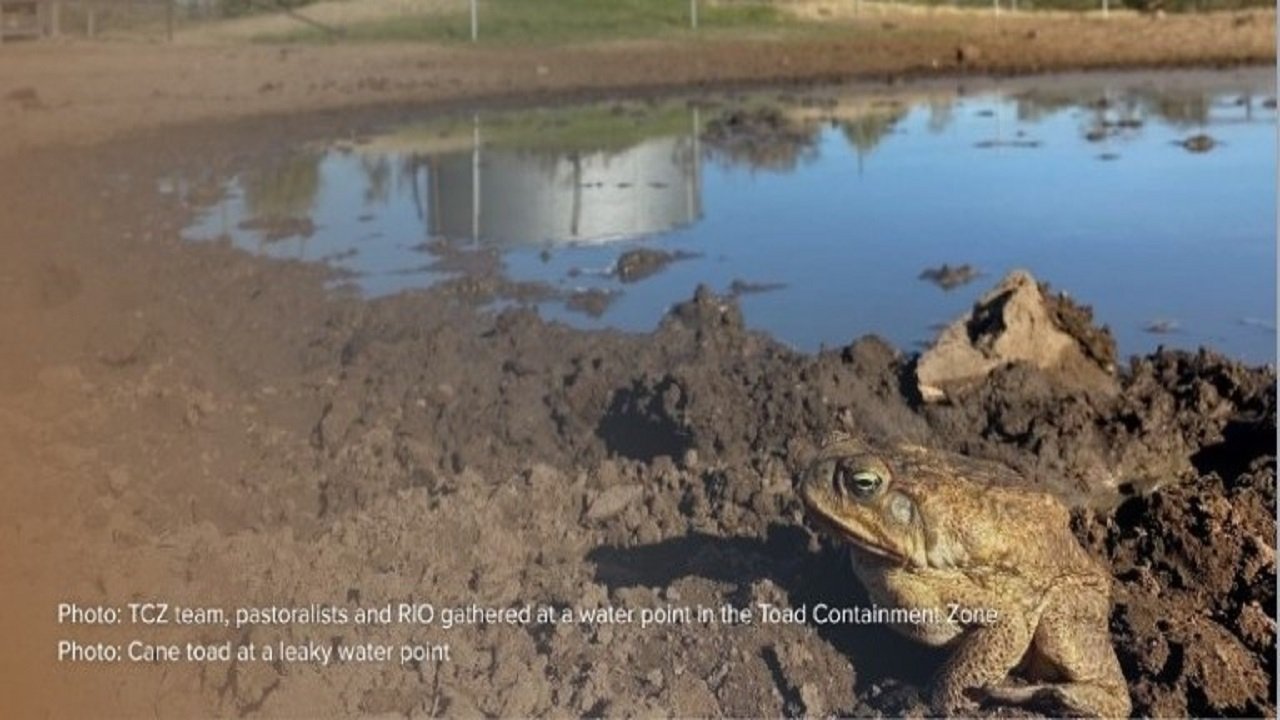
The Toad Containment Zone (TCZ) is a large-scale initiative aimed at preventing the mass invasion of cane toads into the Pilbara region of Western Australia. These toads are an extremely toxic, invasive species with nefarious consequences for native wildlife, such as the Yellow-spotted monitor and the Northern quoll (pictured).
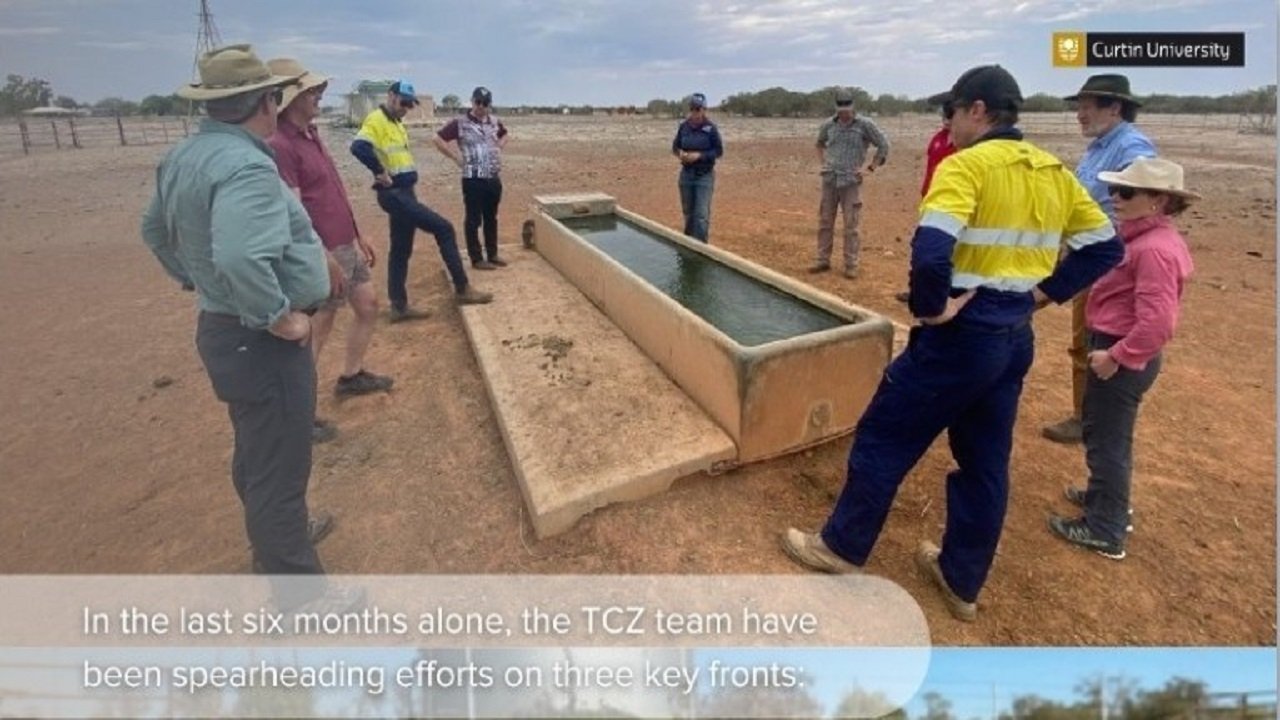
In a collaborative effort involving traditional owners, rangers, pastoralists, and scientists from various institutions—including Curtin University and Deakin University—this project involves creating a “waterless barrier” between the Great Sandy Desert and the Indian Ocean, effectively preventing toads from spreading by removing their access to water points like cattle watering tanks and troughs.
This initiative brings a hopeful approach to stopping the invasive species from marching into the Pilbara region, with the zone aiming to protect over 27 million hectares of habitat and significant Aboriginal cultural heritage from ecological damage.
Recent developments have been made possible thanks to the Skip Foundation and their unwavering support and critical funding of the TCZ.
Curtin Molecular and Life Sciences (MLS):
curtin.edu.au/about/learning-teaching/science-engineering/school-of-molecular-life-sciences/
Many thanks to Professor Tim Dempster from Deakin University for the information!
For those that want to learn more about the zone, how it will work and what it will protect, see:
Photo: ©MLS
All rights belong to: (for this news)
Curtin Molecular and Life Sciences (MLS)
Curtin University and Deakin University
Project owner and project team
traditional owners, rangers, pastoralists, and scientists from various institutions