
Lord (Chris) Holmes
Member UK House of Lords
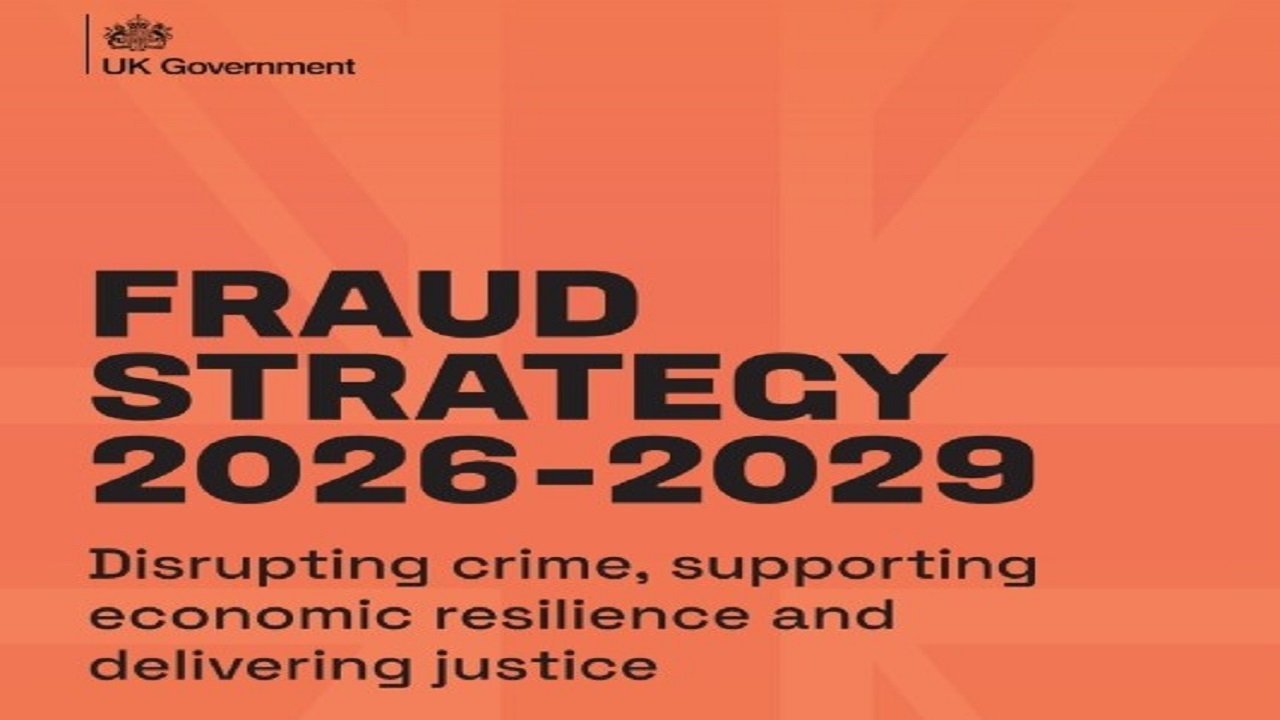
The UK Home Office has published their Fraud Strategy 2026-2029
Lord (Chris) Holmes:
The strategy contains a combination of newly (and previously) announced initiatives to coordinate cross-sector data, intelligence and disruption capability, including (amongst others):
-Online Crime Centre (OCC) led by the Home Office and National Crime Agency (NCA), working with City of London Police, GCHQ National Cyber Security Centre, the National Cyber Force and private sector partners.
-PROTECT Network (local, regional & national law enforcement inc. City of London Police's Report Fraud)
-Abusive Phoenixism Taskforce within the The Insolvency Service to investigate the practice of repeatedly using companies to evade debts.
Perhaps, the most disappointing omission is the decision not to extend a fraud reimbursement obligation to big tech.
Legal changes implemented by the Payment Systems Regulator last year, have made banks liable for authorized push payment (APP) scams. Reimbursement rules now cover everyone making a payment from one UK bank account to another via Faster Payments or CHAPS providing guaranteed protection up to £85,000 as standard.
Given that up to 70% of scams originate on online platforms (Revolut figures for the first half of 2024 showed 69% of reported scams originated on Meta platforms) it seems sensible to seek to get them to do more to address the issue. My friend Simon Lyons does great work highlighting the problem.
UK House of Lords colleagues and I attempted to amend the Crime and Policing Bill in January to ensure that technology and telecoms companies take their share of responsibility although the Minister suggested we wait to see what would be revealed in the fraud strategy....
At the launch of the strategy this week, fraud Minister Sir David Hanson said the govt will consider taking action on online platforms firms if they do not improve results on fraud reduction.
The strategy does outline plans to address fraudulent advertising. A new Home Office partnership with an industry group will report to ministers with the govt then deciding if it is necessary to take legislative action.
Is this another example of the law moving far too slowly on regulating the real world impact of technological developments? Fraud networks are agile, global and increasingly leveraging automation and AI to scale their attacks.
Recent research from Enfuce has a breakdown of how people are experiencing fraud in the UK. Three in every five adults have experienced financial fraud with younger age groups most likely to be scammed, suggesting that online fraud may disproportionately affect digital-first generations.
The report also highlights that fraud is not just about financial loss, it can leave an emotional and psychological impact that effects confidence, safety and financial independence.
Real progress will require collaboration between all parties to disrupt these networks earlier and protect victims more effectively.
What do you think?
Fraud Strategy 2026-2029: gov.uk
"All rights belong to Lord Holmes"